Wise Path Recovery Centers ™
Drug Rehab for Pipeline Workers
Quick Answer: Drug rehab for pipeline workers provides addiction treatment built for people in pipeline and related roles, including those covered by federal DOT and PHMSA drug and alcohol rules. Wise Path Recovery Centers in West Virginia offers a full continuum of treatment, recovery, and rehabilitation options, as well as services that may support a DOT return-to-duty process when one applies. Treatment stays confidential unless the client gives written permission or the law requires disclosure.
Gas, oil, and pipeline work can make it hard to pause long enough to get help, especially when you are moving between job sites, working rotations, staying away from home, or trying to stay reliable in a safety-focused role. If drug or alcohol use is affecting your career, health, sleep, mood, relationships, or ability to keep going, Wise Path Recovery Centers can help you understand your options without judgment.
How Can Pipeline Work Make It Harder to Stop Substance Use?
Pipeline work can make substance use harder to stop because the job often follows the work, not the other way around. Long drives, rotating schedules, hotel stays, man camps, job-site pressure, physical strain, and time away from family can make alcohol, opioids, stimulants, or other substances feel like a way to manage pain, sleep, stress, loneliness, or exhaustion until the pattern becomes harder to control.
Wise Path Recovery Centers approaches rehab for pipeline workers with the understanding that recovery may need to account for travel, isolation, pain, fatigue, and the pressure to stay ready for safety-sensitive work. Many people also need support for anxiety, depression, trauma, family strain, relapse triggers, or the fear that asking for help could affect their job, reputation, or ability to return to work.
What Kind of Addiction Treatment Can Pipeline Workers Receive?
Wise Path Recovery Centers offers alcohol and drug rehab for pipeline workers through care that can begin wherever the need is most urgent.
For some workers, that starts with detox. Stopping alcohol, opioids, benzodiazepines, or other substances can bring on withdrawal symptoms that need medical oversight, so detox gives that process a safe place to happen.
Others need more than detox. Residential treatment gives clients real distance from job pressure, travel stress, and pain triggers. For a while, recovery becomes the only thing on the schedule.
Once someone is stabilized, treatment often shifts into a different gear. An intensive outpatient program (IOP) offers structured therapy and relapse prevention without requiring a residential stay. Outpatient care works well for clients who are rebuilding routines and want to stay connected to support while easing back into daily life.
When clinically appropriate, medication-assisted treatment may also be part of the plan. This can help with cravings or withdrawal as part of a longer recovery strategy, not as a replacement for it.
A treatment plan might also include individual therapy, group support, family involvement when appropriate, mental health care, relapse prevention, and aftercare planning. Wise Path Recovery also partners with sober living organizations for our clients who are seeking long-term recovery after treatment to reinforce sustainable sobriety. The goal isn’t just to get through detox or a program. It’s to understand what’s driving the substance use in the first place and build something that holds up once treatment ends.

How Can Wise Path Recovery Help Pipeline Workers and Safety-Sensitive Work Concerns?
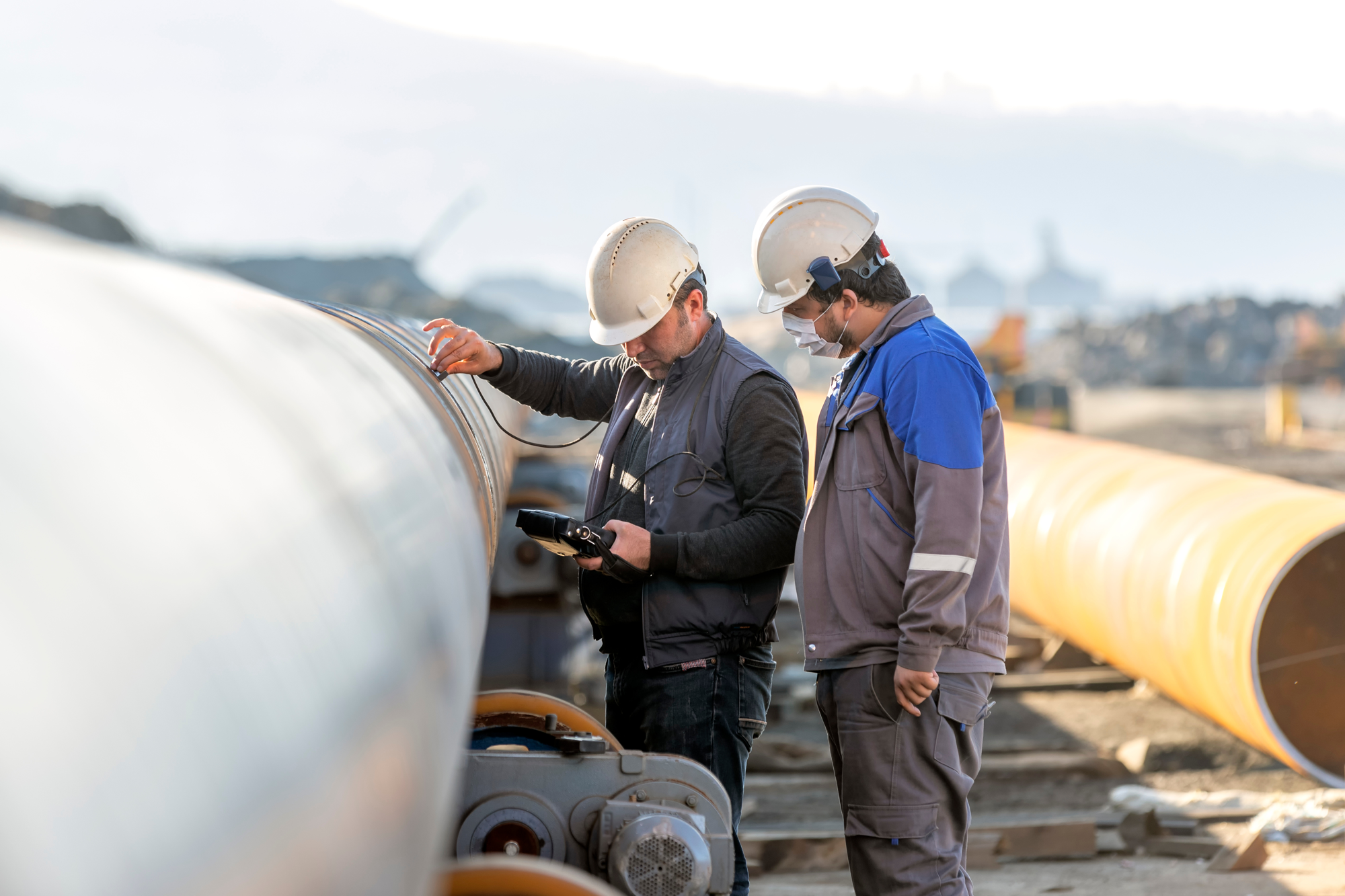
Wise Path helps pipeline workers by offering private, practical care for people whose work may involve driving, welding, heavy equipment, inspection, maintenance, hauling, trench work, field operations, or DOT-regulated responsibilities. Because pipeline and energy work overlap, Wise Path also provides addiction treatment for oil and gas workers and individuals in related field-based roles.
If substance use is affecting focus, sleep, reaction time, mood, reliability, or physical health, you do not have to wait for a positive test, workplace incident, or family crisis before asking for help.
For some oil, gas, and pipeline workers, the concern is not only treatment but also what happens around the job. If your role is covered by DOT or PHMSA rules, Wise Path can provide treatment that may be part of a return-to-duty process, while the specific requirements stay with your SAP and employer.
What Happens After You Reach Out to Wise Path Recovery?
The first call can happen before you have all the answers. Whether you are home, between jobs, on rotation, staying near a worksite, or trying to decide when treatment could realistically begin, our admissions team can help you talk through withdrawal concerns, insurance, transportation, family responsibilities, and timing.
From there, Wise Path can help you complete an assessment that looks at your substance use history, withdrawal risk, mental health symptoms, medical needs, previous treatment experience, and current work or travel situation. The goal is to understand what support is safe and appropriate, not to push you into a preset plan.
Once your needs are clearer, the team can recommend a treatment path that may include stabilization, therapy, relapse prevention, group support, medication support when appropriate, and preparation for life after treatment. Aftercare planning for pipeline workers may also include thinking through travel triggers, time away from home, hotel or camp environments, family communication, and routines that can fall apart when work is unpredictable.

How Can You Check Insurance When Your Schedule Keeps Changing?
Wise Path Recovery Centers can help you check your insurance benefits before treatment begins, even if your schedule, work site, or travel plans are not yet fully settled. A benefits review can help clarify what your plan may cover, what out-of-pocket costs may apply, and whether prior authorization or medical necessity review may be required.
This step can be especially helpful if you are trying to coordinate treatment around a rotation, job change, return home, or time away from work. Instead of sorting through insurance alone, you can get clearer information before deciding what comes next.




What if You Are Ready to Ask for Help Privately?
If substance use is affecting your health, safety, relationships, or ability to keep going, you do not have to wait until things get worse. Wise Path Recovery Centers offers alcohol and drug rehab for pipeline workers with compassionate care designed to meet our clients where they are.
A confidential conversation about our addiction treatment programs for pipeline workers can help you understand what treatment may look like, how insurance verification works, and what kind of support may be appropriate. Reach out today to take the first step.

FAQs About Alcohol & Drug Rehab for Pipeline Workers
How do I know if I need alcohol rehab for pipeline workers?
If alcohol is affecting your sleep, mood, health, safety, attendance, relationships, or ability to keep up with responsibilities, it may be time to talk with someone. Wise Path Recovery Centers can help you complete a confidential assessment and understand whether alcohol rehab for pipeline workers or another form of care fits your needs.
Can Wise Path help with opioid addiction treatment for pipeline workers?
Yes. Wise Path Recovery Centers offers opioid addiction treatment for pipeline workers, which may include detox, residential treatment, IOP, outpatient care, and medication-assisted treatment. The right approach depends on withdrawal risk, medical needs, substance use history, and recovery goals.
Is treatment confidential if I work in a DOT or PHMSA-regulated role?
Addiction treatment for pipeline workers is confidential, and Wise Path Recovery Centers does not notify your employer without your written permission, except in limited circumstances required by law or safety rules. Reaching out for treatment on your own is private and separate from any employer testing program.
Can rehab work around travel, rotations, or time away from home?
It may be possible, depending on your clinical needs, location, schedule, and program availability. Some clients need detox or residential treatment first, while others may be appropriate for IOP, outpatient care, or another flexible treatment option as part of a longer recovery plan.
What is the SAP or return-to-duty process for pipeline workers?
A substance abuse professional, or SAP, may be involved after a DOT drug or alcohol testing violation, and the return-to-duty process can include evaluation, treatment, or education recommendations, testing, and follow-up requirements. Wise Path can provide treatment support when clinically appropriate, but SAP requirements, employment clearance, and return-to-duty decisions should be confirmed with a qualified SAP, employer, union representative, or legal advisor.
What if I do not have insurance or my plan does not cover treatment?
You still have options. Wise Path Recovery Centers can help you verify your benefits, explain what your plan may or may not cover, and talk through other ways to approach payment so cost does not stop you from asking for help.
Get In Touch
Morgantown
2195 Cheat Rd. Suite 100
Morgantown, WV 26508
Open from 9.am. to 5 p.m.
Williamson
859 Alderson Street
Williamson, WV 25661
Open 24/7
Westover
900 Fairmont Rd.
Morgantown, WV 26501
Open 24/7
Learn More

Get In Touch
Morgantown
2195 Cheat Rd. Suite 100
Morgantown, WV 26508
Open from 9.am. to 5 p.m.
Williamson
859 Alderson Street
Williamson, WV 25661
Open 24/7
Westover
900 Fairmont Rd.
Morgantown, WV 26501
Open 24/7
Learn More