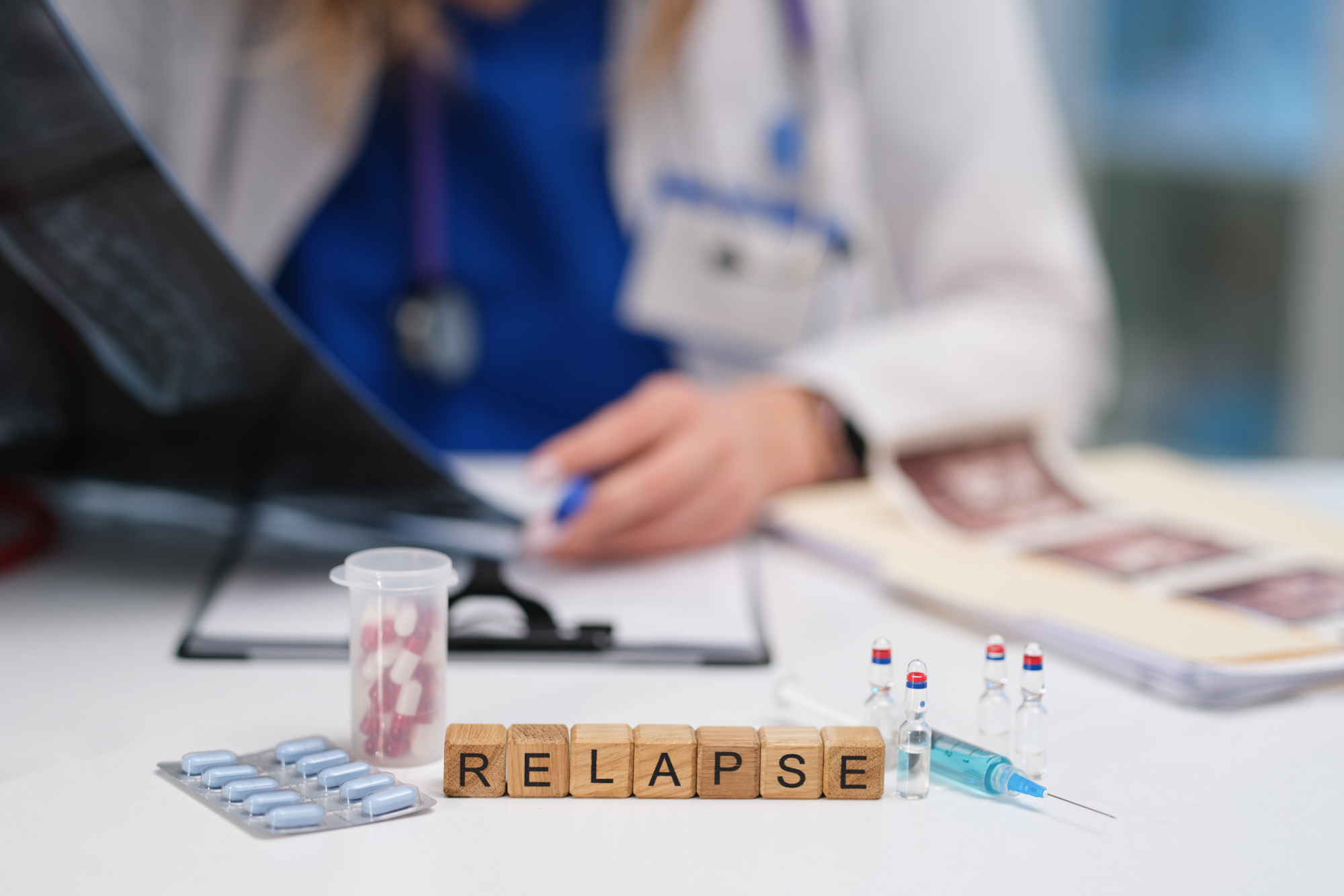
The pain of a relapse, especially after putting in so much work, can feel profoundly isolating and defeating. Please understand that a setback isn’t a failure—it simply indicates that your recovery plan needs adjustment or stronger support. By meeting yourself with compassion and immediately seeking guidance, you can transform this moment into a stepping stone toward a more resilient future.
What Does Relapse Prevention Mean?
Relapse prevention is a supportive, intentional approach designed to help you notice emotional, mental, or environmental warning signs before they escalate. It focuses on building self-awareness, strengthening resilience, and learning healthier ways to cope with life’s stressors.
This approach empowers you to respond instead of react. When you understand your triggers and patterns, you gain the confidence to navigate challenges without returning to substances.
Why Relapse Can Be Dangerous?
Relapse is dangerous because your body’s tolerance drops quickly during sobriety. Even small amounts of a substance can overwhelm your system. Relapse also impacts emotional stability and may lead to guilt, shame, or isolation. These feelings are completely valid. With the right support, you can recover from a relapse, strengthen your prevention plan, and continue building a healthier future.
Early Warning Signs to Watch for
Many warning signs appear long before a physical relapse happens. Noticing them early helps you pause, reach out, and reinforce your relapse prevention plan. Common early signs include:
- Feeling overwhelmed, anxious, or emotionally numb
- Avoiding therapy, routines, or supportive people
- Romanticizing past substance use
- Difficulty managing cravings or negative thoughts
- Losing motivation or withdrawing socially
The Stages of Relapse
Relapse is a gradual progression, not a single moment. Understanding each stage gives you the power to intervene early and protect your recovery:
Emotional Relapse
Emotional relapse begins with internal changes that may feel subtle at first. You might bottle up difficult feelings, skip self-care, or struggle to manage stress. Even if you’re not thinking about using, emotional exhaustion can make you more vulnerable.
Mental Relapse
Mental relapse happens when you start actively thinking about substances again. You may fantasize about using, downplay past consequences, or imagine scenarios where you could “control it this time.” This stage is uncomfortable because it creates a tug of war between the desire to stay sober and the temptation to return to old patterns.
Physical Relapse
Physical relapse occurs when someone begins using substances again. This stage carries significant emotional and physical risks, including overdose due to lowered tolerance. If this happens, compassion and immediate support are essential. You deserve help, not judgment.
When You Should Seek Professional Treatment
If cravings feel overwhelming, emotional distress becomes difficult to manage, or you feel disconnected from your recovery tools, it may be time to seek additional support. Professional care offers structure, safety, and personalized strategies that help you stay grounded.
Professional treatment can also support you through life changes, trauma, or major stressors that increase relapse risk. Reaching out early gives you the best chance of preventing setbacks.
How a Relapse Prevention Plan Supports Recovery
A relapse prevention plan acts as a personal safety net that helps you stay grounded during moments of vulnerability. It gives you structure, clarity, and a sense of control over your recovery journey. Here are meaningful relapse prevention strategies to include in your plan:
- Identify and categorize personal triggers
- Build coping skills, like mindfulness and journaling
- Create consistent daily routines, including meals, sleep, and self-care
- Take a mental day from work
- Maintain a contact list for cravings/crises
- Practice open communication about emotions
- Set realistic goals and track progress
- Keep reminders of your “why” and long-term hopes
- Update your plan with a therapist as your needs evolve
Drug & Alcohol Rehab and
Addiction Treatment in West Virginia
Get in touch with our recovery center today at 866-860-9772
Specialized Treatment for Relapse Prevention Recovery
Professional support can help you address the emotional and psychological factors that contribute to relapse. Treatment combines evidence-based therapy, emotional regulation skills, and personalized care that honors your unique history and needs.
At Wise Path, we help our clients through:
- Medical detox to stabilize the body
- Therapy sessions that strengthen coping skills
- Holistic care to support emotional and physical well-being
- Aftercare planning to build accountability and long-term structure
Considering VIOP and Building Motivation for Long-Term Recovery
Our virtual intensive outpatient program (VIOP) offers flexible, structured support that fits into your daily life. VIOP lets you attend therapy, strengthen coping skills, and stay connected to professional care from home. It’s especially helpful if you’re balancing work, family, or transportation challenges while needing ongoing accountability.
Long-term recovery also relies on staying motivated and connected to your goals. Small routines, realistic milestones, and mindfulness practices can help you feel grounded and supported. Journaling, breathing exercises, or quiet reflection make it easier to navigate stress and stay aligned with your healing. These simple daily steps can make a powerful difference in maintaining lasting stability.
Drug & Alcohol Rehab and
Addiction Treatment in West Virginia
Get in touch with our recovery center today at 866-860-9772
Why Wise Path Is the Right Choice for Relapse Prevention Recovery
Our team understands that recovery requires not just breaking habits, but rebuilding your life, your confidence, and your hope. We meet you where you are, listen without judgment, and walk beside you as you discover the tools you need to stay steady in your recovery. With comprehensive care options and ongoing support, you never have to navigate relapse prevention alone.
FAQs About Relapse Prevention
What is the most important part of relapse prevention?
The most important part is to have a strong prevention plan that helps you stay aware and grounded. Therapy, structure, and support also make a huge difference in long-term recovery.
Do cravings mean I am going to relapse?
No, cravings are normal and don’t mean relapse is inevitable. Cravings are signals that your system needs support.
How often should I update my relapse prevention plan?
Your plan should grow as you grow. Update it whenever you experience major life changes, emotional stress, or new triggers. A therapist can help you revise it so it always fits your current needs.
How is a “trigger” different from an “early warning sign”?
A trigger is typically an external or internal cue that can initiate the thought process of using. An early warning sign is a change in your internal emotional behavior that indicates the emotional or mental stages of relapse are already in progress.
Is relapse a sign that treatment did not work?
No, relapse is a part of recovery for many people. It doesn’t erase your progress or your worth. What matters is returning to care, asking for support, and continuing forward with compassion for yourself.