If you are a parent in Appalachia, you may have heard warnings about rainbow fentanyl. Brightly colored pills that look like candy are showing up across the country, and the risks are very real.
Rainbow fentanyl is not just a news story. It is part of a growing crisis that is impacting teens, schools, and families right here in West Virginia. This guide explains what it is, why it matters, and how you can protect the people you love.
What Is Rainbow Fentanyl and Why Are People Talking About It
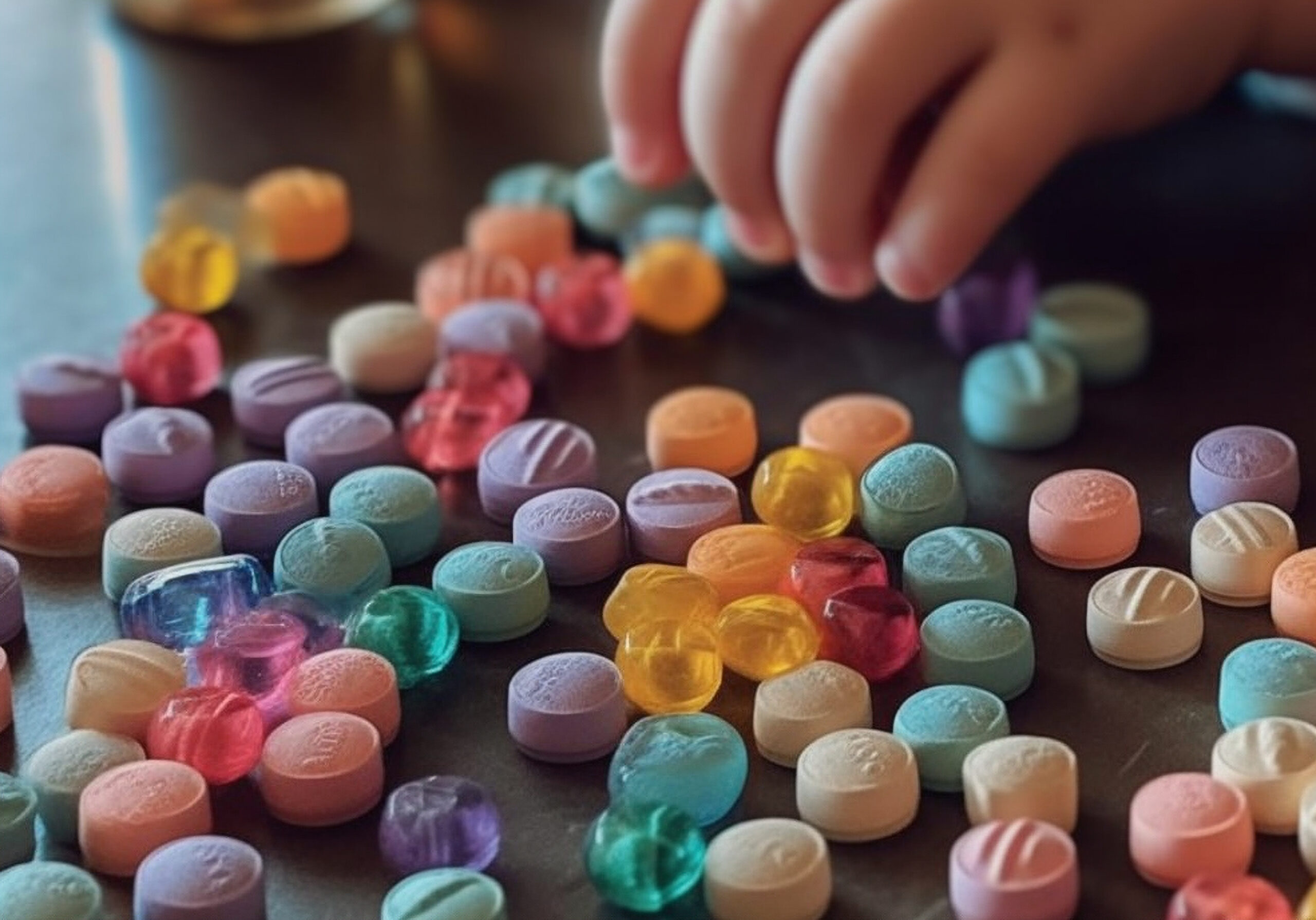
Rainbow fentanyl refers to brightly colored pills or powders that contain fentanyl, a highly potent synthetic opioid. The pills are often designed to look like candy or chalk, which makes them especially concerning for parents and educators.
Despite how they look, these are not harmless. Just a small amount of fentanyl can cause an overdose and these rainbow-colored versions are often made illegally with no control over strength or ingredients. That means even one pill could be deadly.
While some headlines may exaggerate the idea that kids are being directly targeted, the fact remains that rainbow fentanyl is out there and it is ending up in the hands of young people. Parents should know what it looks like, how it is being used, and what signs to watch for.
Why Rainbow Fentanyl Is Especially Dangerous for Teens
Teenagers and young adults may be more likely to experiment without fully understanding what they are taking. Rainbow fentanyl pills may be shared at parties or bought online under the impression that they are something else like Xanax or Percocet. The colors and candy-like appearance may lower a teen’s guard and make the drug seem less harmful than it is.
The danger is not just in the drug itself but in how unpredictable it is. Fentanyl is often mixed unevenly in counterfeit pills, meaning one pill might have a lethal dose and another might not. This randomness is what makes rainbow fentanyl so deadly.

The Impact of Rainbow Fentanyl in Appalachia
Communities in Appalachia are already facing high rates of opioid misuse and overdose. The arrival of rainbow fentanyl has added a new layer of urgency to a crisis that has already hit families hard.
Schools, law enforcement, and treatment centers across the region are reporting an increase in fentanyl-related incidents involving young people. Parents are asking more questions and wondering what steps they can take to keep their kids safe.
At Wise Path Recovery Centers, we are seeing firsthand how this new form of fentanyl is affecting local families. If you are worried your child may be using or exposed to substances, we treat a wide range of drug-related challenges. You can see more about the conditions we treat in West Virginia here.
How to Talk to Your Kids About Rainbow Fentanyl
You do not need to be an expert to start the conversation. What matters most is that your child knows they can come to you if they are worried or curious about something they have seen or heard.
Here are some tips for starting the conversation:
- Stay calm and nonjudgmental
- Ask what they know or have heard about rainbow fentanyl
- Share facts in a way that makes sense to their age
- Make it clear that your goal is their safety not punishment
Keeping the dialogue open makes it more likely they will turn to you instead of hiding things.
Drug & Alcohol Rehab and
Addiction Treatment in West Virginia
Get in touch with our recovery center today at 866-860-9772
What to Do If You Think Your Teen Has Been Exposed
If you suspect your child has taken a pill that could contain fentanyl, act immediately. Call 911 and administer naloxone if you have it. Naloxone, also known as Narcan, can reverse the effects of an opioid overdose and is available without a prescription in many places.
Even if it turns out to be a false alarm, it is better to be safe. An honest mistake should not cost a life.
If your teen is struggling with substance use or you are concerned they may be experimenting, reaching out for help early can make a difference. Our West Virginia addiction treatment services are here to support individuals and families navigating these challenges.
Rainbow Fentanyl and the Bigger Picture
Rainbow fentanyl is not just a scary headline. It is a symptom of a larger drug crisis that continues to evolve. As substances change and spread faster than ever, communities need real tools and resources to respond.
Knowing what is out there is a powerful first step. If you are a parent or caregiver in Appalachia, staying informed helps you make choices that keep your family safe.
Drug & Alcohol Rehab and
Addiction Treatment in West Virginia
Get in touch with our recovery center today at 866-860-9772
How Wise Path Recovery Can Help Families Facing Fentanyl Use
Whether your loved one is experimenting or deeply struggling, the path forward does not have to be walked alone. At Wise Path Recovery Centers, we work with families from across West Virginia and Pennsylvania to address fentanyl addiction, mental health concerns, and co-occurring conditions.
We offer inpatient and outpatient programs tailored to the needs of each person and family. From early intervention to long-term recovery, our team is here to support healing and hope.
FAQs About Rainbow Fentanyl
What does rainbow fentanyl look like?
It often comes in colorful pill form, sometimes resembling candy or sidewalk chalk. Colors can include blue, pink, green, yellow, and more. The pills are usually round or oval.
Is rainbow fentanyl more dangerous than regular fentanyl?
The fentanyl itself is equally dangerous, but the bright colors may make it more appealing to young people and harder for parents or educators to identify quickly. This can increase the risk of unintentional exposure or overdose.
Are kids really being targeted with rainbow fentanyl?
There is no solid evidence that rainbow fentanyl is being marketed directly to children. However, its appearance and availability have raised legitimate concerns about teen and young adult access.
Where can I get naloxone in West Virginia?
Naloxone is available without a prescription at many pharmacies and through local health departments. It is a good idea to keep it on hand if you are concerned about opioid exposure in your household.
What are signs my child may be using fentanyl or other substances?
Look for changes in behavior, secrecy, sudden mood shifts, missing money or valuables, and signs of physical changes like nodding off, pinpoint pupils, or unusual sleep patterns.