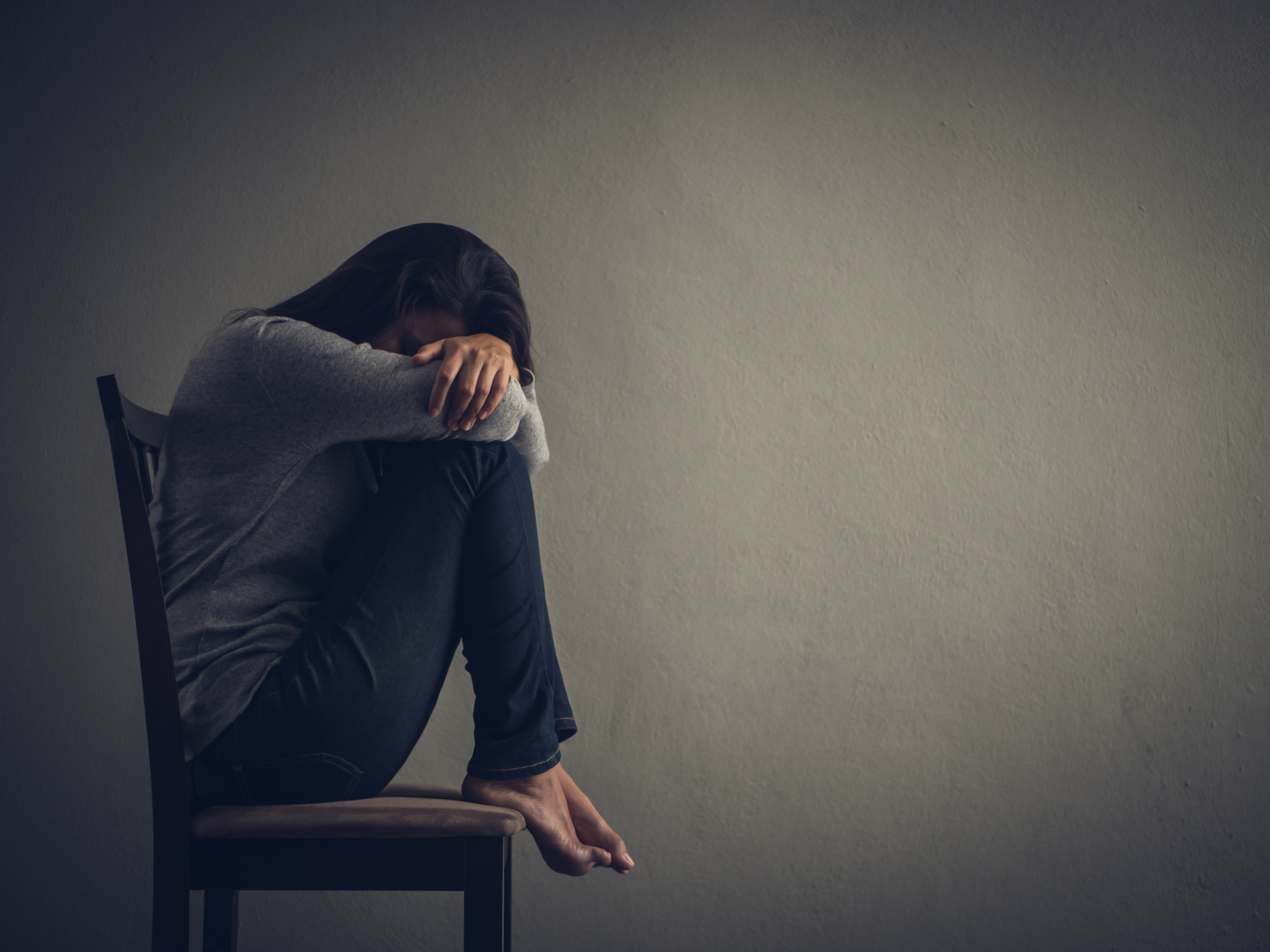
In many Appalachian communities, mental health struggles are present but not often talked about. People may carry heavy emotional burdens without access to care or even the words to describe what they are feeling.
This silence has consequences. By understanding the most common mental health issues in Appalachia and the barriers that make treatment harder to access, families and individuals can begin to find a way forward.
Why Mental Health Issues in Appalachia Often Go Unseen
While mental health challenges exist everywhere, the landscape in Appalachia brings unique risks. Geographic isolation, limited healthcare access, and economic instability all contribute to the emotional stress many people face.
Longstanding cultural norms in the region can also make it harder to speak up. In small towns, there may be fear of judgment or being seen as weak. For many, struggling in silence feels easier than asking for help.
The result is that common mental health issues in Appalachia often go untreated, even when support is available.
Most Common Mental Health Conditions in the Region
People in Appalachian communities may be affected by a wide range of mental health challenges. Among the most common are:
- Depression that goes undiagnosed or is seen as normal sadness
- Anxiety tied to financial insecurity, caregiving stress, or health concerns
- Substance use disorders that develop as a way to cope
- Post-traumatic stress often linked to family trauma, job loss, or chronic illness
- Bipolar disorder or mood instability that can be hard to manage without specialized care
Because these issues often overlap, treatment must address both the emotional and practical aspects of a person’s life. A trusted mental health facility in West Virginia can help guide that process with compassion and care.

How Rural Life Shapes Mental Health in Appalachia
Living in a rural area has its benefits, but it also comes with challenges. People may have to drive long distances to access services. Mental health providers may not be available locally, and even when they are, stigma can prevent people from reaching out.
Young people in particular may feel stuck. With limited opportunities for work or school, they may struggle with hopelessness or disconnection. Mental health issues in Appalachia are not always loud. They often show up quietly, through isolation, poor sleep, or changes in motivation.
The good news is that help is possible and showing up for yourself or someone you love does not have to mean changing everything at once.
Drug & Alcohol Rehab and
Addiction Treatment in West Virginia
Get in touch with our recovery center today at 866-860-9772
Signs Someone May Need Mental Health Support
If you are not sure whether to reach out for help, here are some signs that someone may be struggling:
- Withdrawing from family or friends
- Sleeping much more or less than usual
- Loss of interest in things they used to enjoy
- Feeling on edge, panicked, or constantly worried
- Difficulty focusing or following through
- Using alcohol or substances to numb difficult emotions
These signs may not always mean a crisis, but they are signals that someone might need extra support.
How to Start the Conversation About Mental Health
If you are worried about someone in your life, you do not have to wait until things get worse. Ask them how they have been feeling. Share something you have noticed, and let them know you care.
You can say:
- I have noticed you have been a little quieter lately, are you okay
- You seem stressed lately, want to talk about it
- I am here if you ever want someone to listen
Starting the conversation may feel uncomfortable, but it can also open a door.
Drug & Alcohol Rehab and
Addiction Treatment in West Virginia
Get in touch with our recovery center today at 866-860-9772
West Virginia Residential Treatment Options for Ongoing Support
Some people need more than a conversation or a single therapy session. For individuals with severe or complex mental health needs, long-term care can offer the structure and stability they need to heal.
At Wise Path, we provide West Virginia Residential Treatment that gives individuals time, space, and professional guidance to work through deep emotional challenges. This kind of care can be especially helpful for those with co-occurring mental health and substance use disorders, or those who have not improved with outpatient treatment alone.
You Are Not Alone and It Is Okay to Ask for Help
Mental health issues in Appalachia are real, but they do not have to be faced alone. Whether you are navigating anxiety, depression, or something that does not have a name yet, support exists and it is okay to ask for it.
At Wise Path Recovery Centers, we walk beside people through every stage of healing. We are here to listen, guide, and help you or your loved one find a path that feels possible.
FAQs About Mental Health in Appalachia
Why is mental health access limited in rural areas like Appalachia?
Many towns have few or no mental health providers, and transportation challenges make it harder to reach services. Internet access can also affect the availability of virtual care.
How do I support a loved one who is resistant to help?
Start with listening, not fixing. Avoid pushing or pressuring. Sometimes planting the seed is enough for someone to take a step when they are ready
What if I cannot afford therapy or treatment?
There are free or sliding scale programs in some communities. Local health departments or nonprofit providers may offer support regardless of insurance status
How do I know if residential treatment is the right fit?
If someone has not responded to outpatient care or their mental health is affecting their daily functioning and safety, residential treatment may be the next best step
Are young people in Appalachia more at risk?
Yes. Youth in rural areas may face higher rates of depression, anxiety, and substance use, especially when they feel isolated or unsupported