
Quick Answer: Kratom may reduce some opioid withdrawal symptoms for certain people, but it is not an FDA-approved treatment for opioid withdrawal or opioid use disorder. It can also cause dependence, withdrawal, cravings, and other health risks, especially with frequent or high-dose use.
At Wise Path Recovery Centers, we help people who are struggling with substance use, including opioids, prescription drugs, and kratom. If you’re looking for answers to questions like, “Is kratom used for opioid withdrawal?” or wondering if professional addiction support could help you, we’re here to help.
If kratom use has become hard to control, or if you started using it to get off opioids and now feel stuck, reach out to our team today to learn how we can help.
Does Kratom Help with Opioid Withdrawal?
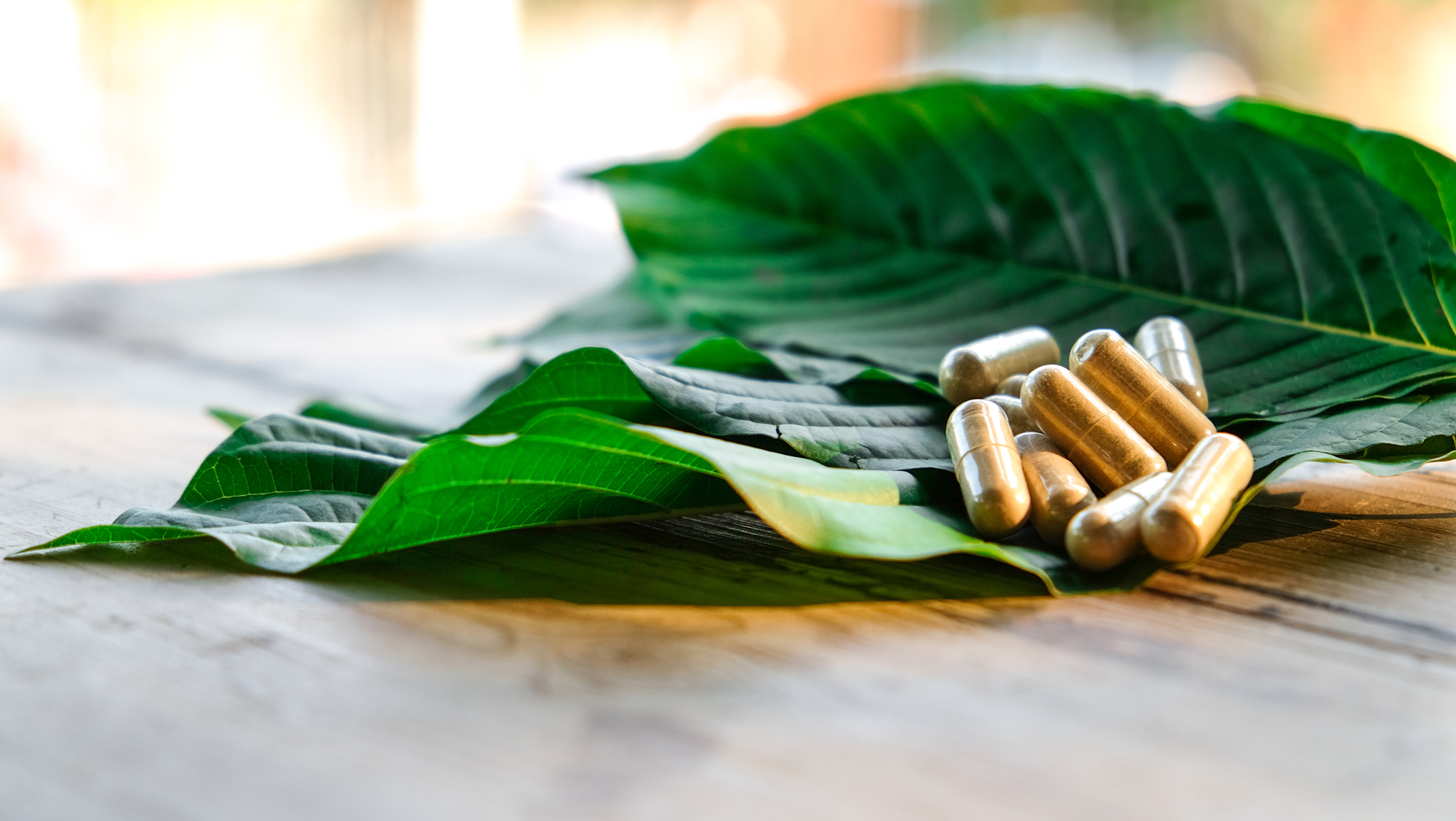
Kratom may feel like it helps opioid withdrawal because it can act on some of the same brain receptors affected by opioids. Some people use it to manage symptoms like body aches, low energy, anxiety, diarrhea, and cravings.
The problem is that “may help” does not mean “safe” or “medically recommended.” You won’t find an online guide on how to use kratom for opioid withdrawal. Kratom products can vary widely in strength, purity, and ingredients, which makes the effects hard to predict.
Using kratom for opioid withdrawal can also replace one form of dependence with another. A person may stop taking opioids but then feel unable to function without kratom. Instead, buprenorphine, methadone, and naltrexone are FDA-approved to treat opioid use disorder.
Why Do People Use Kratom During Opioid Withdrawal?
People often use kratom during opioid withdrawal because they want relief without going through medical detox or returning to opioids. Withdrawal can be painful, stressful, and difficult to manage alone.
Kratom may seem like a private or easier option because it’s available in many stores and online. For someone afraid of judgment, cost, or treatment, it can look like a quick solution.
But self-managing opioid withdrawal can be risky. Without medical guidance, it can be hard and unsafe to deal with cravings, dehydration, sleep loss, anxiety, depression, and the risk of relapse.
Drug & Alcohol Rehab and
Addiction Treatment in West Virginia
Get in touch with our recovery center today at 866-860-9772
Is Kratom Safe for Opioid Withdrawal?
Kratom isn’t considered a safe or approved treatment for opioid withdrawal. The FDA has warned about serious risks linked to kratom, including substance use disorder, seizures, liver toxicity, and other adverse events.
Another concern is product quality. Kratom products may contain different strengths than advertised, added ingredients, or contaminants.
This is especially concerning for people with opioid use disorder because the body and brain may already be sensitive to withdrawal, cravings, and relapse triggers. A product that seems helpful at first can become another substance that feels necessary to get through the day.
Can You Become Addicted to Kratom?
Yes, you can become dependent on or addicted to kratom. Frequent use can lead to tolerance, which means a person may need more kratom to feel the same effect.
Kratom withdrawal can include anxiety, irritability, sweating, chills, nausea, diarrhea, muscle aches, insomnia, and strong cravings. These symptoms can feel similar to opioid withdrawal, even if they are sometimes described as milder.
For some people, kratom becomes part of the same cycle they were trying to escape. They take it to avoid withdrawal, feel temporary relief, and then need more to avoid feeling sick again.
What Are Safer Options for Opioid Withdrawal?
Safer options for opioid withdrawal usually involve professional detox, clinical support, and evidence-based treatment. Medical care can help reduce withdrawal risks, manage symptoms, and support long-term recovery.
At Wise Path Recovery Centers, our substance abuse treatment options include medically supervised detox, residential care, outpatient treatment, intensive outpatient programming, and medication-assisted treatment when clinically appropriate. Our care plans are shaped around each person’s needs, substance use history, medical concerns, and recovery goals.
Detox is often only the first step. Ongoing therapy, relapse prevention planning, and structured support can help address the reasons opioid use started or continued.
When Should You Get Help for Kratom Use?
You should get help for kratom use if you feel unable to cut back, need it to feel normal, or experience withdrawal when you stop. These are signs that your body and brain may have become dependent on it.
Other warning signs include hiding kratom use, spending more money than planned, using stronger extracts, combining it with other substances, or continuing despite health, work, family, or legal problems.
You don’t need to wait until things feel out of control. Early support can make withdrawal and recovery safer, more manageable, and less isolating.
How Wise Path Recovery Centers Can Help
Wise Path Recovery Centers can help if kratom has become part of your struggle with addiction or opioid withdrawal. We understand that many people start using kratom because they are trying to feel better, not because they want another problem.
Our team provides compassionate, structured addiction treatment in West Virginia, including detox and residential care at our inpatient locations and outpatient support through our Morgantown programs. We can also help you understand your options, verify insurance, and decide what level of care may fit your situation.
If you’re using kratom to manage opioid withdrawal, or if you feel trapped by kratom itself, contact us today.
Drug & Alcohol Rehab and
Addiction Treatment in West Virginia
Get in touch with our recovery center today at 866-860-9772
Final Thoughts on Kratom and Opioid Withdrawal
Kratom may seem to help with opioid withdrawal because it can temporarily reduce certain symptoms, but it’s not a proven or approved treatment.
Since kratom can also lead to dependence and withdrawal, it’s important to understand the risks before using it as a way to manage opioid symptoms. Reaching out for professional support is often the clearest and safest way forward.
We’re here to help you take the next step toward a safer and more stable recovery. Contact us today.
FAQs: Does Kratom Help with Opioid Withdrawal?
Can kratom prevent opioid cravings?
Kratom may reduce cravings temporarily for some people, but it doesn’t treat the deeper causes of opioid addiction. Cravings can return when kratom wears off, and relying on it without professional support may increase the risk of relapse or continued substance dependence.
Is kratom withdrawal the same as opioid withdrawal?
Kratom withdrawal isn’t always the same as opioid withdrawal, but the symptoms can overlap. People may experience anxiety, sleep problems, sweating, nausea, muscle aches, mood changes, and cravings when they stop using kratom.
Can you take kratom while on Suboxone or methadone?
Taking kratom with Suboxone, methadone, or other medications for opioid use disorder should not be done without medical guidance. Combining substances that affect opioid receptors may increase side effects, interfere with treatment, or make withdrawal and cravings harder to manage.
What should I do if I used kratom to quit opioids but now cannot stop?
If you used kratom to quit opioids but now cannot stop, it may be time to seek professional addiction support. A treatment team can help you understand your symptoms, create a safer plan, and address both opioid use history and kratom dependence.