by wisepathrecovery | Oct 27, 2026 | Wellness
Quick Answer: Naltrexone and Suboxone both treat opioid use disorder, but they work differently. Suboxone helps reduce opioid cravings and withdrawal symptoms, while naltrexone blocks opioid effects and generally requires completing withdrawal before treatment begins....

by wisepathrecovery | Oct 27, 2026 | Wellness
Quick Answer: Common naltrexone side effects include nausea, headaches, dizziness, fatigue, and difficulty sleeping, especially when starting treatment. Many mild symptoms improve with time, but signs of liver problems, severe allergic reactions, worsening mood, or...

by wisepathrecovery | Oct 27, 2026 | Wellness
Quick Answer: Does naltrexone help with alcohol withdrawal? No, it doesn’t relieve acute withdrawal symptoms or prevent complications such as seizures. It is used to help reduce alcohol cravings and heavy drinking, typically after acute withdrawal has been medically...
by wisepathrecovery | Oct 27, 2026 | Wellness
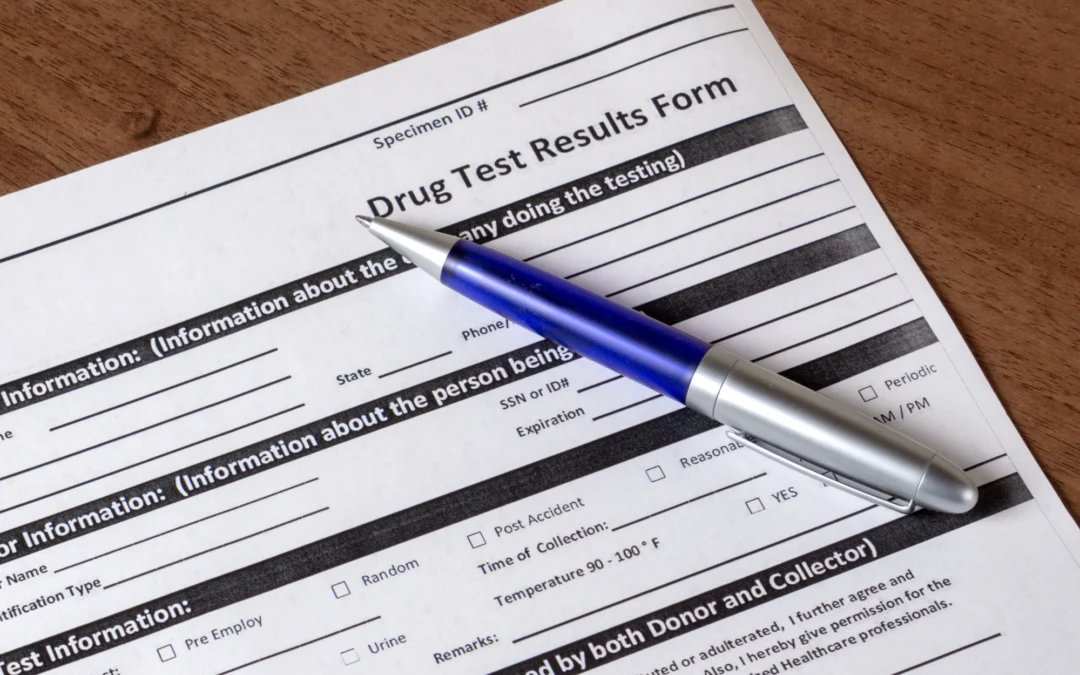
Quick Answer: If you’re asking, “Can I refuse a random drug test at work?”, the answer is yes. You can refuse a random drug test at work, but your employer may suspend or fire you depending on workplace policy and applicable law. Refusing a test differs from testing...

by wisepathrecovery | Oct 27, 2026 | Wellness
Quick Answer: Knowing how to tell your employer you’re going to rehab starts with contacting your supervisor or HR department to explain that you need time off for medical treatment. Ask about available leave options, required documentation, and workplace...
by wisepathrecovery | Oct 27, 2026 | Wellness
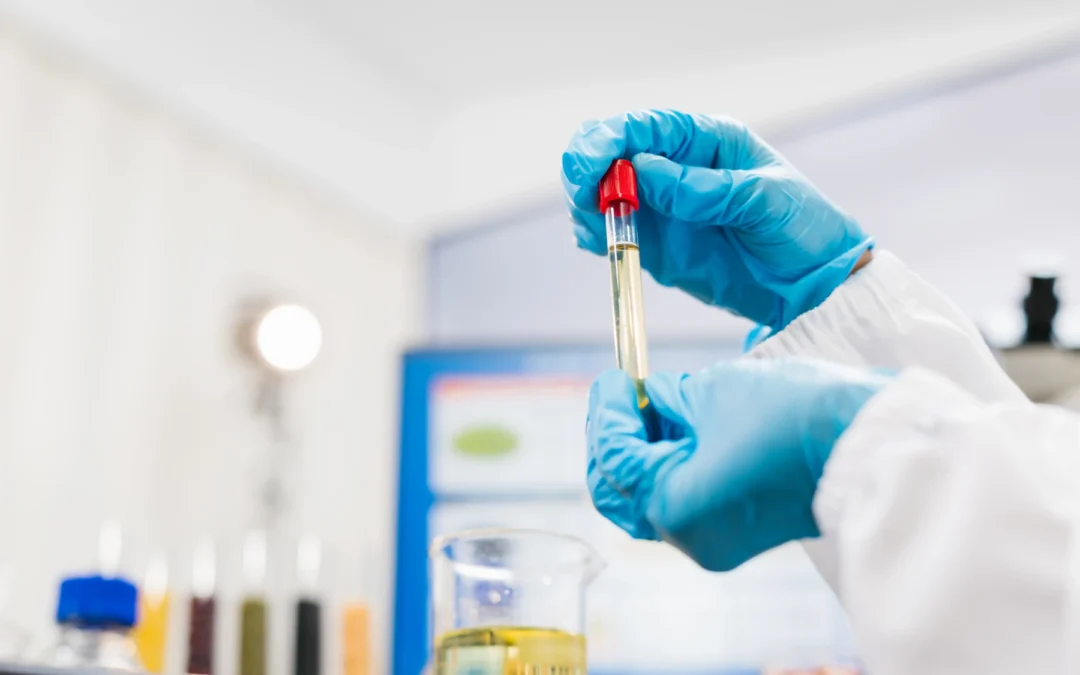
Quick Answer: What do employment drug tests look for? Most commonly marijuana (THC), cocaine, amphetamines, opioids, and PCP. These are the five core drug categories in traditional 5-panel tests, while expanded pre-employment screenings may also detect...