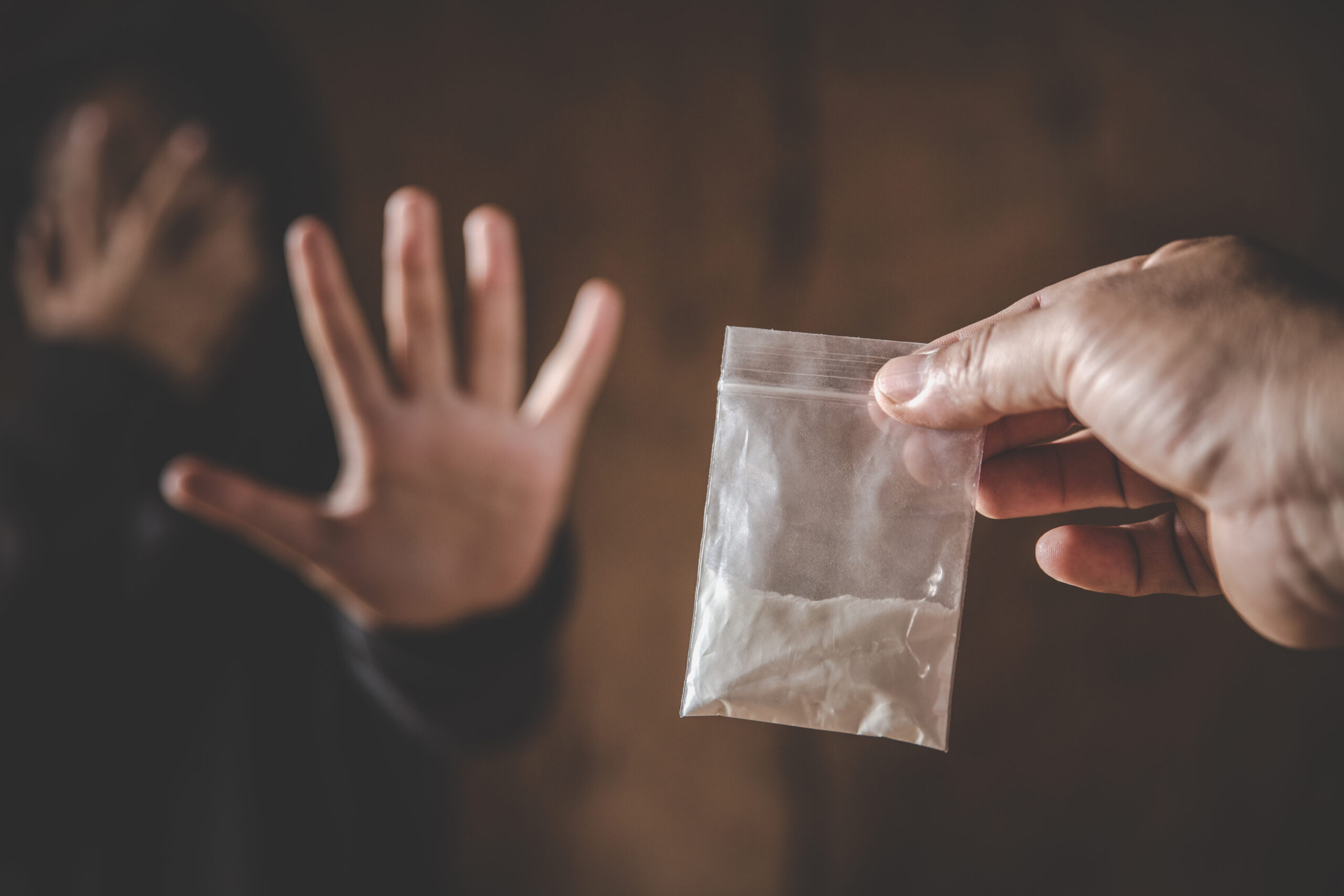
You might start asking the question “Can you overdose on meth?” when things start feeling dangerous or out of control. Or you might be asking this question because you’re concerned about a loved one. Either way, the answer is yes. Getting clear information can help you make the next right move without panic or confusion.
Can You Overdose on Meth? | How It Happens
A meth overdose happens when the body can’t keep up with the drug’s stimulant effects. Instead of slowing things down like opioids or alcohol, meth forces the heart, brain, and nervous system into overdrive. That rush can trigger a dangerously high heart rate, overheating, stroke, or even cardiac arrest. It can become serious fast, which is why noticing the early signs matters.
How Much Meth Does It Take to Overdose?
There is no “safe” amount of methamphetamine, and there is no predictable overdose threshold. The amount that causes toxicity varies wildly from person to person. Two major factors make the risk unpredictable: the drug’s purity and the user’s tolerance.
Illegally purchased meth has wildly inconsistent purity levels, meaning a small dose of a highly potent batch can be fatal. Furthermore, if someone takes a break and relapses, their tolerance drops dramatically, making a dose that was once manageable potentially lethal.
The method of use significantly impacts overdose risk. For example, injecting or smoking meth delivers a large dose to the brain nearly instantly, increasing the likelihood of immediate overdose compared to swallowing it. Pre-existing health issues like heart conditions or high blood pressure also make the body more susceptible to the drug’s effects, elevating the risk even with moderate use.

Recognizing the Signs of a Meth Overdose
Methamphetamine is a powerful stimulant that affects every major system in the body. Recognizing the signs of an overdose, before it becomes irreversible, isn’t just important—it can be the crucial step to saving a life, whether your own or that of a loved one.
Physical Warning Signs
- Extreme chest pain, heart palpitations, or a dangerously irregular heartbeat
- Uncontrollable shaking, tremors, or seizures
- Nausea, vomiting, and excessive sweating due to dangerously high body temperature (hyperthermia)
Psychological Warning Signs
- Intense, overwhelming paranoia or panic attacks
- Profound confusion, agitation, or severe and uncharacteristic aggression
- Hallucinations or a detachment from reality (psychosis)
If you notice any of these signs, immediately call 911.
What to Do in a Meth Overdose Situation
If you suspect someone is experiencing a meth overdose, your immediate priority is calling 911 immediately and clearly stating to the operator that the person has taken a major stimulant.
Don’t try to handle the situation alone. Instead, stay with the individual, keep them calm and cool if possible, and remember that Good Samaritan laws often protect you if you call for help during an overdose.
Once the medical emergency has been stabilized and the immediate danger has passed, the next vital step is securing professional treatment for meth use disorder to prevent a future, life-threatening crisis.
Drug & Alcohol Rehab and
Addiction Treatment in West Virginia
Get in touch with our recovery center today at 866-860-9772
Ways to Overcome Meth Addiction
Overcoming methamphetamine dependence is a challenging journey that requires compassionate professional support for the whole person, mind, body, and spirit. With the right guidance, healing, and a brighter future are within reach. You don’t have to face this alone.
Meth addiction treatment involves several levels of care, and we can help you find the right fit:
- Medical Detox: Detox offers 24/7 care to safely manage severe physical and psychological withdrawal symptoms and stabilize health.
- Inpatient or Residential Treatment: Residential treatment provides intensive, structured therapy that usually lasts 30–90 days. Programs typically include individual counseling, group sessions, and evidence-based methods like cognitive behavioral therapy (CBT) and dialectical behavior therapy (DBT).
- Flexible Outpatient Programs: Outpatient programs allow clients to live at home while attending therapy and medical appointments several times a week.
- Holistic and Wellness Therapies: At Wise Path Recovery Centers, trauma-informed care, family therapy, nutritional counseling, and mindfulness practices are integrated to heal the mind, body, and spirit.
Drug & Alcohol Rehab and
Addiction Treatment in West Virginia
Get in touch with our recovery center today at 866-860-9772
Wise Path’s Comprehensive Care After a Crisis
If you or a loved one has witnessed or experienced a meth overdose, the trauma can be profound, but it is also a powerful turning point. At Wise Path Recovery Centers, we see your fear as the strength needed to seek lasting change. You can learn more about stimulant disorder or the conditions we treat.
Reach out to us today. We’re here to help you move past the crisis, reclaim your life, and find true freedom.
FAQs About Can You Overdose on Meth?
What makes a meth overdose fatal?
A meth overdose is fatal because it causes cardiovascular events (like a heart attack or stroke) and hyperthermia (dangerously high body temperature), which can rapidly lead to multi-organ failure.
What is “tweaking,” and is it dangerous?
“Tweaking” refers to the highly agitated, paranoid, and often sleepless state experienced at the end of a meth binge. It is dangerous because it often leads to extreme psychosis, irrational behavior, and violence, posing a threat to the person and those around them.
Can combining meth and other drugs cause an overdose?
Yes, combining meth with depressants like opioids or alcohol creates a conflicting strain on the heart, drastically increasing the risk of a fatal overdose.
Does using meth through injection or smoking increase risk?
Yes, routes like injection or smoking deliver meth quickly to the brain and, therefore, pose a higher risk of immediate overdose compared to oral ingestion.
What is the first step in treating meth use disorder?
The first step is typically medically supervised detoxification, followed by comprehensive behavioral therapy and counseling to address the underlying causes of meth use.