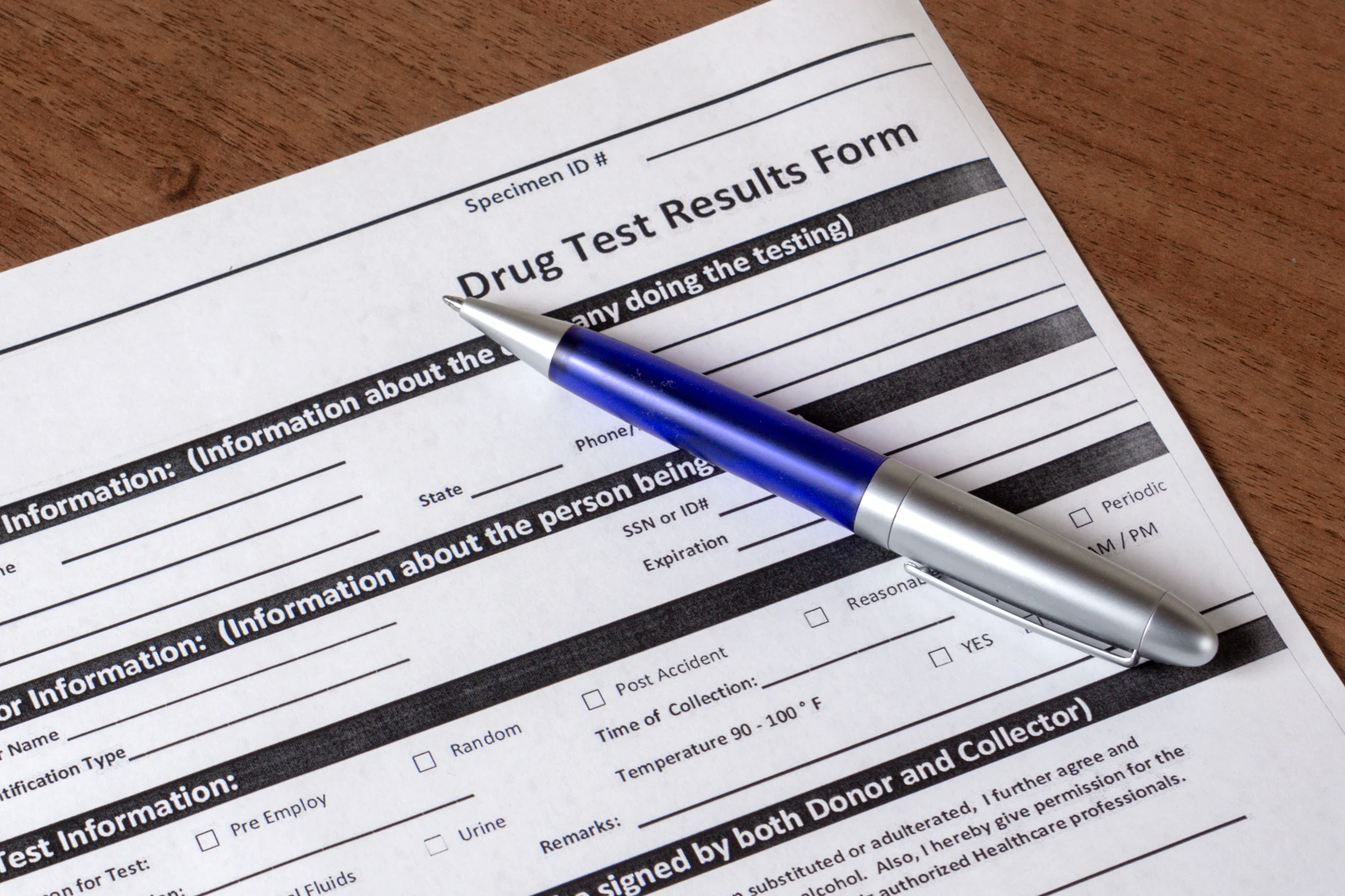
Quick Answer: If you’re asking, “Can I refuse a random drug test at work?”, the answer is yes. You can refuse a random drug test at work, but your employer may suspend or fire you depending on workplace policy and applicable law. Refusing a test differs from testing positive, though both carry the same safety-sensitive work restrictions under Department of Transportation (DOT) regulations.
Hearing your name called for a random drug test can set off a wave of worry, whether it’s about your privacy, a prescription you take, or something you used recently. If you’re facing a drug test at work, pause and understand what counts as a refusal and what usually happens next before you make a choice that’s hard to undo.
What Happens if You Refuse a Random Drug Test at Work?
Refusing a required workplace drug test can lead to disciplinary action, including suspension or termination. The outcome depends on your employer’s written policy, applicable laws, and any additional requirements for safety-sensitive positions.
The Safer Workplace Act allows covered employers in West Virginia to take disciplinary or rehabilitative action after an employee refuses a drug test. Depending on the circumstances, this may include unpaid suspension, termination, or participation in an approved treatment program as a condition of continued employment. Employers are not required to offer treatment instead of discipline, and the Act does not apply to every type of employer.
If you’re here after doing an online search for “can I refuse a random drug test at work”, our guide to employee rights during random drug testing explains the broader workplace rules and privacy considerations.
Is Refusing a Drug Test the Same as Failing?
Refusing a drug test is not the same as receiving a positive result, although the employment consequences may be similar. A positive result follows laboratory testing and verification, while a refusal means an employee failed to comply with a required part of the testing process.
For safety-sensitive transportation workers covered by federal testing requirements, both violations mean removal from regulated duties. For example, commercial drivers must complete a Substance Abuse Professional (SAP) evaluation and the required return-to-duty process before resuming those duties. These regulations don’t automatically require termination; the employer still makes that decision.
If your concern is about a confirmed positive result rather than refusal, our separate article explains what happens if you fail a job drug test.
Drug & Alcohol Rehab and
Addiction Treatment in West Virginia
Get in touch with our recovery center today at 866-860-9772
What Counts as Refusing a Drug Test?
A refusal can involve more than telling your employer you won’t take the test. Under federal transportation testing rules, several actions qualify, including conduct that occurs after an employee arrives at the collection site.
Examples include:
- Declining to participate: Refusing to provide a required specimen or complete a directed test.
- Failing to report or leaving early: Not arriving on time or leaving the collection site before testing is complete.
- Refusing collection procedures: Declining a required directly observed collection or failing to follow the observer’s instructions.
- Failing to cooperate: Refusing required collection steps, an additional test, or a directed medical evaluation.
- Adulterating or substituting a specimen: Admitting to tampering or receiving an MRO-verified adulterated or substituted result.
Private employers conducting non-DOT tests may have different definitions and procedures, so the written policy matters.
Can You Legally Refuse a Drug Test at Work?
Employee rights when refusing a drug test come from a mix of your employer’s policy, any contract or union agreement, and state and federal law. West Virginia generally follows at-will employment, meaning employers can terminate employment for lawful reasons, but contracts, collective bargaining agreements, and certain legal protections may limit that authority.
Under the West Virginia Safer Workplace Act, covered employers must conduct testing under a written policy distributed to employees subject to testing. That policy can help you understand how refusal is defined, which disciplinary procedures apply, and whether you can request an explanation or review.
Disability protections and medical leave laws may also matter in particular circumstances. However, the Americans with Disabilities Act (ADA) generally permits employers to test for current illegal drug use, and having a disability, a prescription, or a medical leave request does not automatically exempt someone from an otherwise lawful testing requirement.
If you believe a test violates your employer’s policy or your legal protections, raise it with HR, your union representative, or an employment attorney.

What if You Have a Valid Reason for Refusing a Drug Test?
So, can I refuse a random drug test at work if something about it doesn’t feel right? You can certainly speak up, but in most cases the safer path is to take the test and raise your concern at the same time, rather than walking away.
If you take prescription medication that could affect the results, follow the testing process and discuss the prescription with the Medical Review Officer (MRO) when appropriate. A legitimate prescription may explain certain laboratory findings, but it doesn’t automatically excuse refusal to participate.
If the collection itself seems off, note what happened and contact your employer’s testing representative or union rep once you’re done.
What if you Can’t Provide Enough Urine?
Difficulty providing a urine specimen is sometimes called a “shy bladder.” It can occur for medical or psychological reasons, and federal testing procedures account for situations where someone cannot provide enough urine.
For a required urine collection, the collector allows additional attempts over up to three hours and offers up to 40 ounces of fluid. Declining the fluid alone doesn’t count as refusal, but the employee must remain at the site and cooperate with the process.
If the employee still cannot provide an adequate specimen, a physician may evaluate the reason. The MRO then determines whether a medical explanation supports canceling the test or whether the circumstances meet the criteria for refusal.
What Should You Do if You’ve Already Refused a Drug Test?
If you’ve already declined a test or been told your actions count as a refusal, start by finding out exactly how the incident was recorded. You may still have questions to resolve or information your employer needs to consider, but the next steps depend on the rules governing your test.
- Find Out if a Refusal Was Officially Recorded: Ask HR or your employer’s designated testing representative how they classified the incident and who made the determination. In some situations, the collector has documented a possible refusal, but the appropriate decision-maker has not yet completed the review.
- Check the Written Testing Policy: Review the rules covering refusal, disciplinary action, and any available review procedures. If you work under a collective bargaining agreement, check whether it provides additional protections or steps for raising a dispute.
- Keep a Record of What Happened: Save relevant emails, testing instructions, collection paperwork, and dates. If you couldn’t complete the test because of a medical issue or believe a procedure was handled incorrectly, communicate that promptly through the appropriate process.
- Ask About the Next Steps: Find out if your employer plans disciplinary action, allows a review, or offers employee assistance resources. If you work in a federally regulated transportation position, ask about the applicable SAP evaluation and return-to-duty requirements.
Agreeing to take another test afterward usually won’t erase a refusal that’s already on record. Still, it’s never too late to be honest with yourself about what led to that moment.
Drug & Alcohol Rehab and
Addiction Treatment in West Virginia
Get in touch with our recovery center today at 866-860-9772
Could Substance Use Be Affecting Your Work?
Plenty of people hesitate over a drug test for reasons that have nothing to do with addiction. But if you’re asking, “Can I refuse a random drug test at work?” because you’re afraid of what the result might show, that fear deserves a gentle, honest look.
You don’t have to wait for a refusal, a positive result, or a talk with HR to reach out. At Wise Path, we hear from people every day who are trying to keep their jobs while their drinking or drug use gets harder to manage. Our team will listen without judgment and help you find care at our West Virginia locations, whether that means detox, residential treatment, or an outpatient program that leaves room for your work.
Concerned about your alcohol or drug use? Talk with Wise Path Recovery Centers or call 866-860-9772 to discuss the support available to you.
FAQs About Refusing a Random Drug Test at Work
Can you get unemployment if you're fired for refusing a drug test?
Possibly. Under West Virginia law, refusing certain required random tests in safety-sensitive or high-risk jobs can disqualify you from unemployment benefits.
Can I refuse a drug test if I have a medical marijuana card?
A medical marijuana card doesn’t exempt you from workplace testing. West Virginia law protects certified patient status but allows certain workplace restrictions, and federal DOT requirements still apply.
Does refusing a drug test go on your employment record?
Your employer may document the refusal. For commercial drivers covered by FMCSA rules, reportable DOT refusals also appear in the federal Drug and Alcohol Clearinghouse.
Should I refuse a drug test if I think I’ll fail?
Usually not. Many employers treat a refusal the same as a positive result, and in DOT-regulated jobs it carries the same consequences. Taking the test, being honest, and asking for help often leaves you with the most options.
Can my employer make me take a drug test without warning?
Yes. Random tests are unannounced by design, and once you’re notified, you’re generally expected to report to the collection site right away. Under DOT rules, any delay can be treated as a refusal.
