Quick Answer: Kava and kratom are both plant-based substances, but they affect the body in different ways. Kava is usually used for relaxation, while kratom can act like a stimulant at lower amounts and produce opioid-like effects at higher amounts.
At Wise Path Recovery Centers, we help people who are struggling with substance use and co-occurring mental health concerns through personalized, evidence-based care. Here, we’ll break down kava vs kratom effects, whether each substance is addictive or dangerous, and how to get support to discontinue use.
If kratom use has become hard to control, our team can help you understand your treatment options and take the next step toward recovery. Contact us today.
What Is Kava?
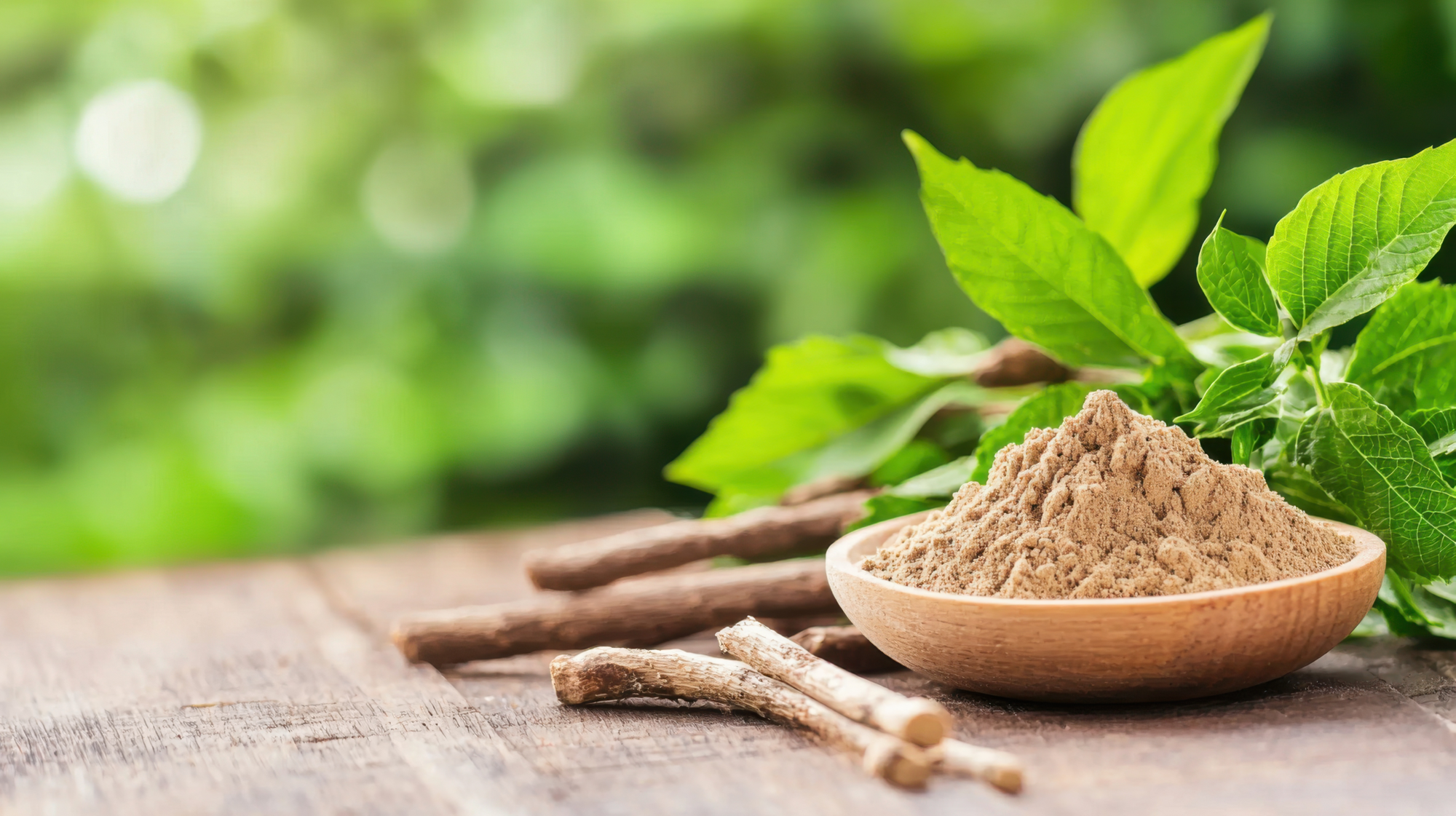
Kava is a plant-based drink or supplement made from the root of the kava plant. It has been used in Pacific Island cultures for ceremonial and social purposes, and it’s now sold in teas, capsules, extracts, and ready-to-drink products.
Kava is often marketed for stress relief, relaxation, or sleep support. Its calming effects come from compounds called kavalactones, which may affect brain chemicals linked to relaxation and mood.
What Is Kratom?
Kratom is a plant from Southeast Asia that can produce stimulant-like or opioid-like effects, depending on the amount used. It contains alkaloids, including mitragynine and 7-hydroxymitragynine, that interact with opioid receptors in the brain.
Some people use kratom for energy, pain relief, mood changes, or to manage opioid withdrawal symptoms. However, kratom can also lead to tolerance, dependence, withdrawal, and continued use even when it causes problems.
How Are Kava and Kratom Different? Kava vs Kratom Feeling
Kava and kratom are different because kava is mainly known for its calming effects, while kratom has stronger stimulant and opioid-like properties. This difference matters because the risks, side effects, and potential for dependence aren’t the same.
Kava doesn’t act on opioid receptors in the same way kratom does. Kratom’s opioid-like activity is one reason it may feel helpful at first, but become difficult to stop over time.
What Are the Effects of Kava?
Kava may cause relaxation, sleepiness, reduced anxiety, and a mild sense of calm. Some people use it as an alcohol alternative, especially in social settings where they want to feel relaxed without drinking.
Kava can also cause side effects such as dizziness, nausea, stomach upset, drowsiness, and slowed reaction time. In more serious cases, kava products have been linked to liver injury, especially when used often, mixed with alcohol, or taken with certain medications.
Drug & Alcohol Rehab and
Addiction Treatment in West Virginia
Get in touch with our recovery center today at 866-860-9772
What Are the Effects of Kratom?
Kratom may cause energy, alertness, pain relief, relaxation, or euphoria, depending on the dose and product strength. At lower amounts, kratom may feel stimulating, while higher amounts may feel sedating or opioid-like.
Kratom can also cause nausea, constipation, sweating, itching, anxiety, fast heart rate, drowsiness, and confusion. With repeated use, a person may need more to get the same effect, which can increase the risk of dependence.
Is Kava Addictive?
When it comes to kava vs kratom addiction, kava isn’t usually considered as addictive as kratom, but regular use can still become unhealthy for some people. A person may start relying on kava to relax, sleep, socialize, or cope with stress.
The bigger concern with kava is often safety. Liver risks, product strength, and possible interactions with alcohol, sedatives, anxiety medications, or other drugs make it important to speak with a medical professional before using it.
Is Kratom Addictive?
Kratom can be addictive because it affects opioid receptors and may cause physical dependence with repeated use. When someone becomes dependent, stopping can lead to withdrawal symptoms.
Kratom withdrawal may include anxiety, irritability, insomnia, sweating, a runny nose, body aches, nausea, diarrhea, and strong cravings. These symptoms can make it hard to quit without support, especially if kratom is being used daily or in high amounts.
Can You Mix Kava and Kratom?
Mixing kava and kratom can be risky because both substances can affect the brain, body, and level of sedation. Combining them may increase the chance of dizziness, nausea, confusion, liver strain, impaired coordination, or other harmful effects.
The risk may be higher when either substance is taken with alcohol, opioids, benzodiazepines, sleep medications, or other drugs. Products sold online or in stores may also vary in strength, purity, and labeling accuracy.

Which Is More Dangerous? Kava vs Kratom
Kratom is generally more concerning for addiction because it can create opioid-like effects, tolerance, dependence, and withdrawal. Kava may be less likely to cause addiction, but it can still carry serious health risks, especially for the liver.
The danger also depends on the person, dose, frequency, product type, and whether other substances are involved. A “natural” label doesn’t mean a product is safe, regulated, or appropriate for long-term use.
When Should Someone Be Concerned About Kava or Kratom Use?
Someone should be concerned about kava or kratom use when either substance becomes hard to control, affects your daily life, or is used to cope with stress, pain, anxiety, or withdrawal symptoms. Plant-based products can still carry real health risks.
With kava, warning signs may include frequent use, mixing it with alcohol or sedatives, extreme drowsiness, stomach pain, or unusual fatigue. With kratom, warning signs may include cravings, withdrawal symptoms, needing more over time, or feeling unable to stop.
How Wise Path Recovery Centers Can Help
Wise Path Recovery Centers can help with kratom addiction by providing individualized treatment that supports both withdrawal management and long-term recovery. We offer a full spectrum of addiction treatment services, including detox, residential care, outpatient treatment, intensive outpatient programming, and medication-assisted treatment when clinically appropriate.
Our team uses evidence-based and integrative care to address substance use and co-occurring mental health concerns. If kratom has become part of a cycle you can’t break on your own, we’re here to help you find a safer path forward.
Drug & Alcohol Rehab and
Addiction Treatment in West Virginia
Get in touch with our recovery center today at 866-860-9772
Final Thoughts on Kratom vs Kava
Kava and kratom may both come from plants, but they aren’t the same in how they affect the body or the risks they may carry. Kava is more often associated with relaxation, while kratom is more concerning for dependence, withdrawal, and opioid-like effects.
Understanding these differences can help people make more informed choices about their health.
If kratom use has become difficult to control, Wise Path Recovery Centers can help you explore substance abuse treatment options and take the next step toward recovery.
FAQs About Kava vs Kratom
Do kava and kratom come from the same plant?
No, kava and kratom don’t come from the same plant. Kava comes from the root of the kava plant, while kratom comes from the leaves of a tree native to Southeast Asia.
Do kava and kratom have the same active ingredients?
No, kava and kratom don’t have the same active ingredients. Kava contains kavalactones, while kratom contains alkaloids such as mitragynine and 7-hydroxymitragynine.
Can kava and kratom affect sleep differently?
Kava may make some people feel more relaxed or sleepy. Kratom can affect sleep in different ways because lower amounts may feel stimulating, while higher amounts may feel more sedating.
Are kava bars and kratom bars the same thing?
Kava bars and kratom bars aren’t always the same thing. Some places serve only kava, while others may sell kratom drinks, teas, or extracts in addition to kava.
Why do some people use kratom instead of kava?
Some people use kratom instead of kava because they are looking for stronger effects, such as energy, pain relief, or a more noticeable mood change. This is one reason kratom may carry different risks than kava.