Wise Path Recovery Centers ™
OUR MENTAL HEALTH SERVICES IN WEST VIRGINIA
Support That Helps You Feel Like Yourself Again
Struggling with your mental health can make everyday life feel heavier than people realize. You may be trying to manage anxiety, depression, trauma, or symptoms you cannot quite explain. You might be hiding how overwhelmed you feel or avoiding conversations because you don’t want to burden anyone.
You are not alone. Many people across West Virginia reach a point where they know something needs to change, and they want real support that doesn’t feel confusing or impossible to access. Our West Virginia mental health services meet you where you are and help you move forward with clarity, stability, and hope.
Conditions We Treat at Wise Path Recovery Center
Mental Health Disorders
Many people come to us feeling overwhelmed or unsure what their symptoms mean. We help you work through conditions such as:
- Anxiety
- Depression
- PTSD
- Bipolar disorder
- Personality disorders
- Trauma related symptoms
Substance Use
Mental health symptoms and substance use often overlap, and addressing both leads to steadier progress. We often help people with:
- Alcohol or drug use
- Substance use
- Mood instability affected by substance use
- Depression or anxiety that worsens with use

Understanding Mental Health Disorders and Why They Happen
A mental health disorder isn’t a personal flaw. It affects your thoughts, emotions, and ability to function day to day. These conditions can develop from trauma, chronic stress, genetics, or major life changes. What matters is recognizing when your symptoms are interrupting your life and knowing it is okay to ask for help.
Our West Virginia mental health services are designed to help you understand your symptoms, learn practical coping skills, and regain a sense of control.
How We Treat Mental Health Disorders
Healing takes time, clarity, and consistent support. Our approach is grounded in evidence-based care and delivered by clinicians who understand what you’re going through.
Our West Virginia mental health services include:
- Individual therapy
- Group therapy
- Trauma-informed modalities
- Cognitive and behavioral therapies
- Skill building for stress, relationships, and daily life
- Medication management when appropriate
- Family education and involvement
Every part of treatment is meant to help you feel supported, understood, and more capable with each step forward.

How Family Can Help & Support
Family plays a crucial role in supporting a loved one with a mental health disorder. Providing emotional support, encouraging treatment, and fostering a safe and understanding environment can significantly improve recovery outcomes. Through family therapy and education, loved ones can learn effective ways to communicate, set boundaries, and offer support, helping to rebuild trust and strengthen relationships.
At Wise Path Recovery Centers ™, our mental health services in Morgantown, WV, emphasize family involvement to achieve the best possible outcomes for clients and their loved ones.
Continuing Care for your Dual Diagnosis
Wise Path Recovery Centers ™ can help you find your path through the treatment of mental health disorders. Many of us struggle with emotional responses that cause difficulties in our life, but we do not always know how to overcome them. While our programs help you learn skills, it’s important to continue getting help long-term to best cope with some of the most challenging mental health conditions.
After our care, we will connect you to the following:
Referrals to doctor and therapist offices
Referrals to other programs that align with your needs at the timing of your recovery journey
Information about federal and state financial and housing resources
Support groups, advocacy organizations, and sober living communities
View Our Locations
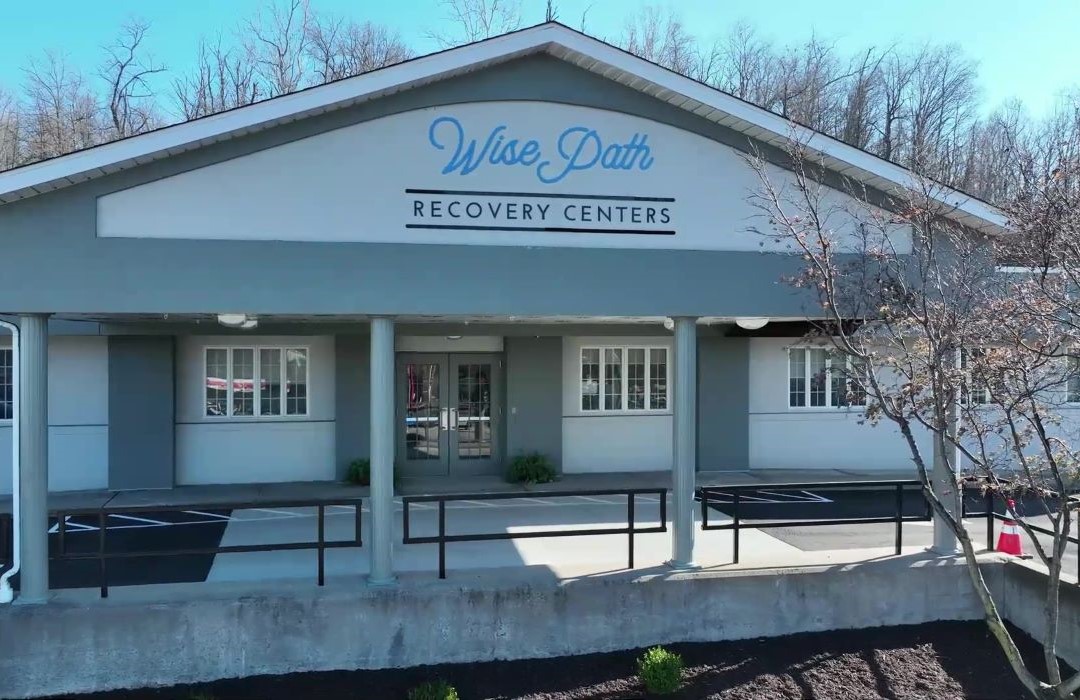
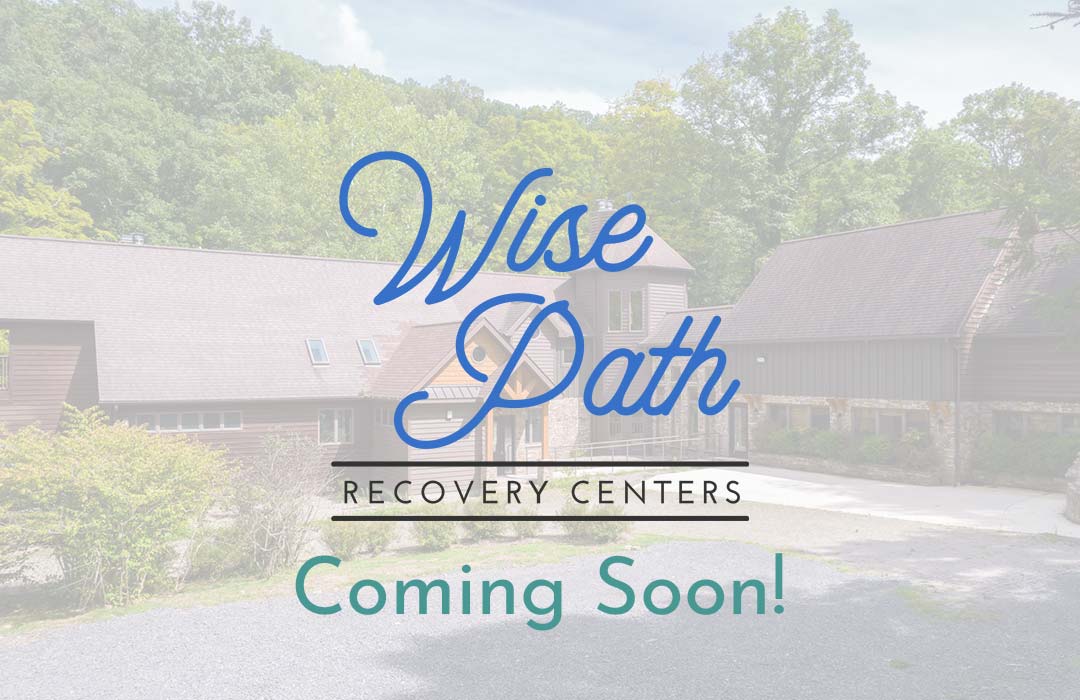
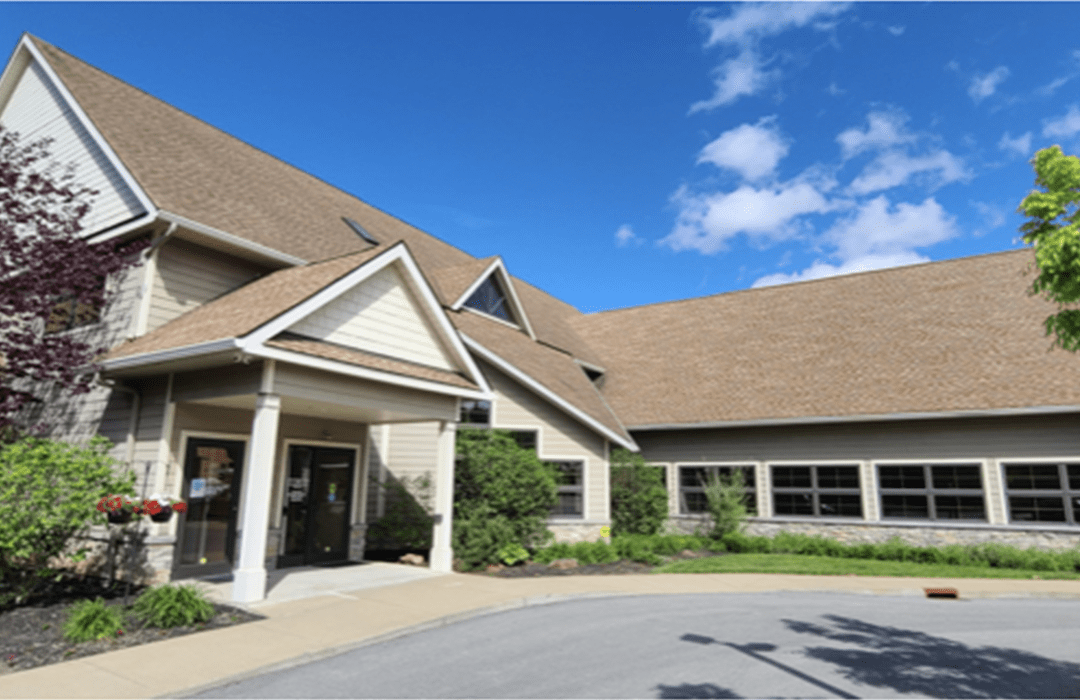
Our mental health facilities in WV currently offer inpatient treatment programs in Morgantown, WV, as well as outpatient programs in Charleston and Morgantown, WV. We also have sober living homes in Columbus, IN. Give us a call at 866-860-9772 to get pre-screened and assessed for the treatment program that will best meet your needs.
Inpatient Locations

Outpatient Location
We Accept Most Major Insurance Carriers
Once you’ve submitted the verification form, feel free to contact us if you have any questions about insurance or payment options at Wise Path Recovery. Our team is here to assist you and ensure you have the information you need for a smooth admissions process.









FAQs About Mental Health Disorders
What are the 10 types of mental disorders?
Mental disorders are broadly categorized into anxiety disorders, mood disorders, psychotic disorders, eating disorders, personality disorders, obsessive-compulsive disorders, trauma-related disorders, neurodevelopmental disorders, dissociative disorders, and substance use disorders. Each category includes various specific conditions, such as depression, schizophrenia, or PTSD.
What are the top 10 psychotic disorders?
Psychotic disorders include schizophrenia, schizoaffective disorder, delusional disorder, brief psychotic disorder, schizophreniform disorder, shared psychotic disorder, substance-induced psychotic disorder, psychotic disorder due to a medical condition, bipolar disorder with psychotic features, and major depressive disorder with psychotic features. These disorders involve symptoms like hallucinations, delusions, and disorganized thinking.
What are the symptoms of a mental disorder?
Symptoms vary by disorder but commonly include persistent sadness, extreme mood swings, excessive worry, hallucinations, delusions, difficulty concentrating, withdrawal from social activities, and changes in sleep or appetite. A mental health professional can diagnose a disorder based on symptoms and their impact on daily life.
How are mental disorders diagnosed?
Mental health professionals diagnose disorders using clinical interviews, psychological assessments, and criteria from the DSM-5 (Diagnostic and Statistical Manual of Mental Disorders). They consider symptoms, duration, and how the disorder affects a person’s daily life.
Can mental disorders be cured?
Some mental disorders can be effectively treated and managed, but most require ongoing care rather than a complete cure. Treatment often includes therapy, medication, lifestyle changes, and support systems.
What causes mental disorders?
Mental disorders result from a combination of genetic, biological, environmental, and psychological factors. Stress, trauma, brain chemistry imbalances, and family history can all contribute to their development.
Are mental disorders hereditary?
Many mental disorders have a genetic component, meaning they can run in families. However, environmental factors and life experiences also play a significant role in their development.
What is the most common mental disorder?
Anxiety disorders, including generalized anxiety disorder, panic disorder, and social anxiety disorder, are the most common mental health conditions. Depression is also widespread and often coexists with anxiety disorders.
What disorders do mental health facilities in WV treat?
At Wise Path Recovery Centers ™, we treat anxiety disorders, bipolar disorder, depressive disorders, post-traumatic stress disorder (PTSD), and personality disorders. Our mental health facilities in WV treat mental health disorders alongside substance use disorders.
Can mental disorders be prevented?
While not all mental disorders can be prevented, reducing stress, maintaining a healthy lifestyle, seeking support, and addressing early warning signs can lower the risk. Early intervention and coping strategies improve long-term outcomes.
How do mental disorders affect daily life?
The impact of mental health disorders on daily life can be far-reaching. They can impact emotions, thinking, behavior, relationships, and work or school performance. Without treatment, they may interfere with daily functioning and overall quality of life.